Construction Shading Fencing Decoration Cladding Flooring
Bamboo flooring and decking
Bamboo flooring combines the warmth of wood with surprising hardness and stability. Suitable for homes, offices and public spaces, as well as for terraces and gardens in its outdoor version.
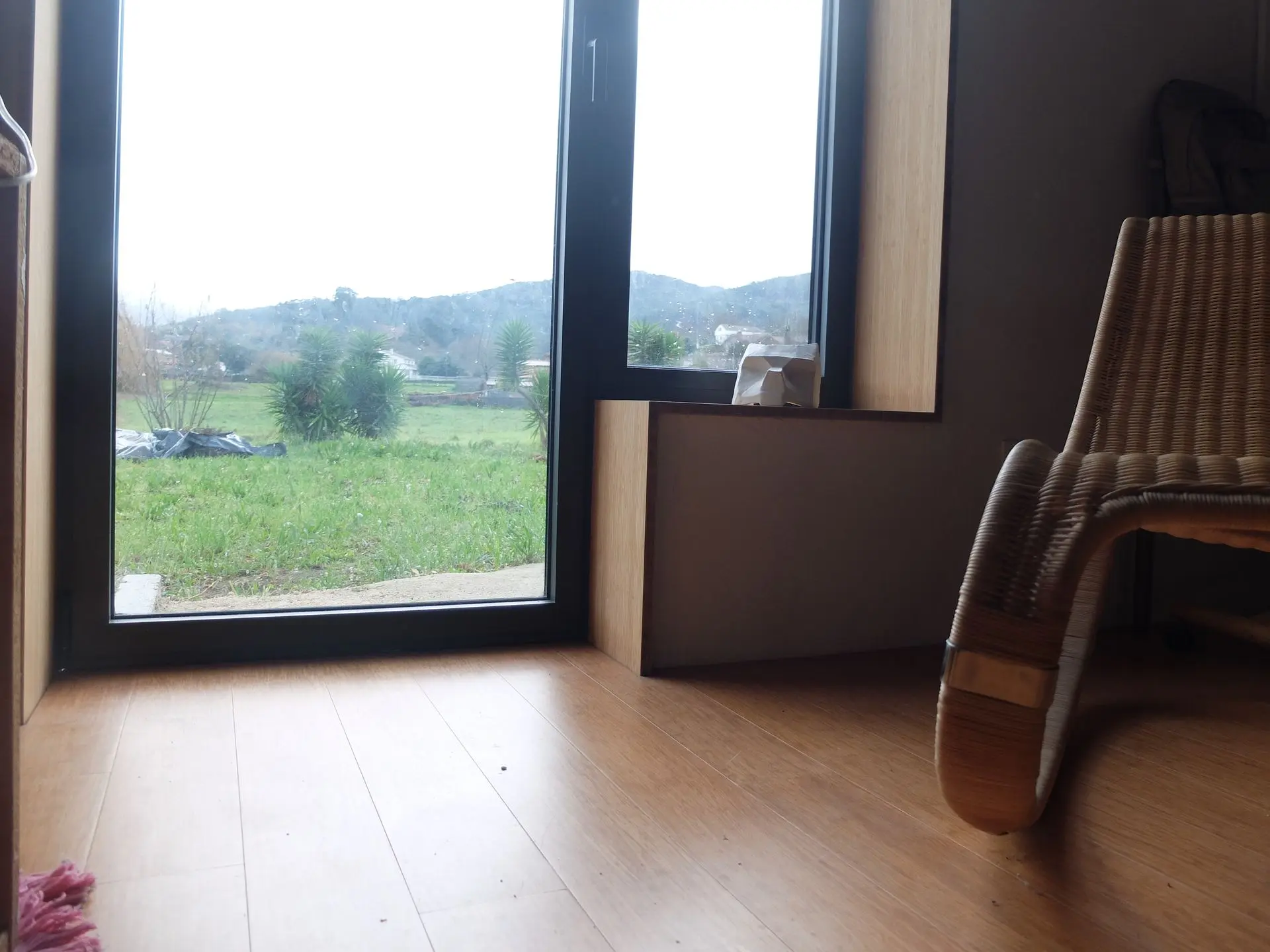
Hard-wearing and stable, suitable for public spaces, bathrooms and kitchens
Strand-woven pressed bamboo flooring: resistant to wear and moisture. High durability for domestic and high-traffic areas. Pre-finished with teak oil.
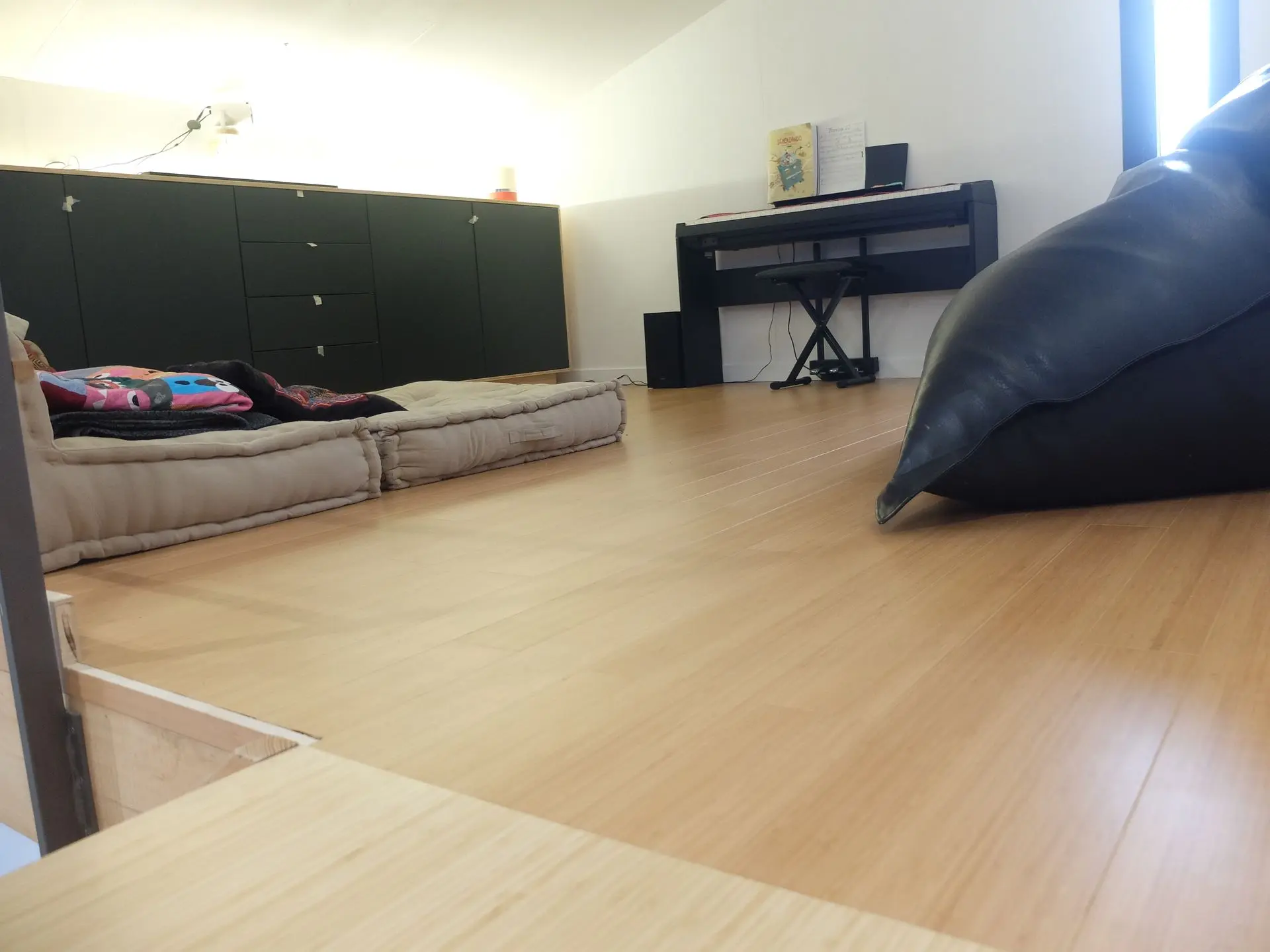
The warmth of solid bamboo flooring
100% bamboo parquet with tongue-and-groove joints and an oil finish, for natural and elegant interiors.
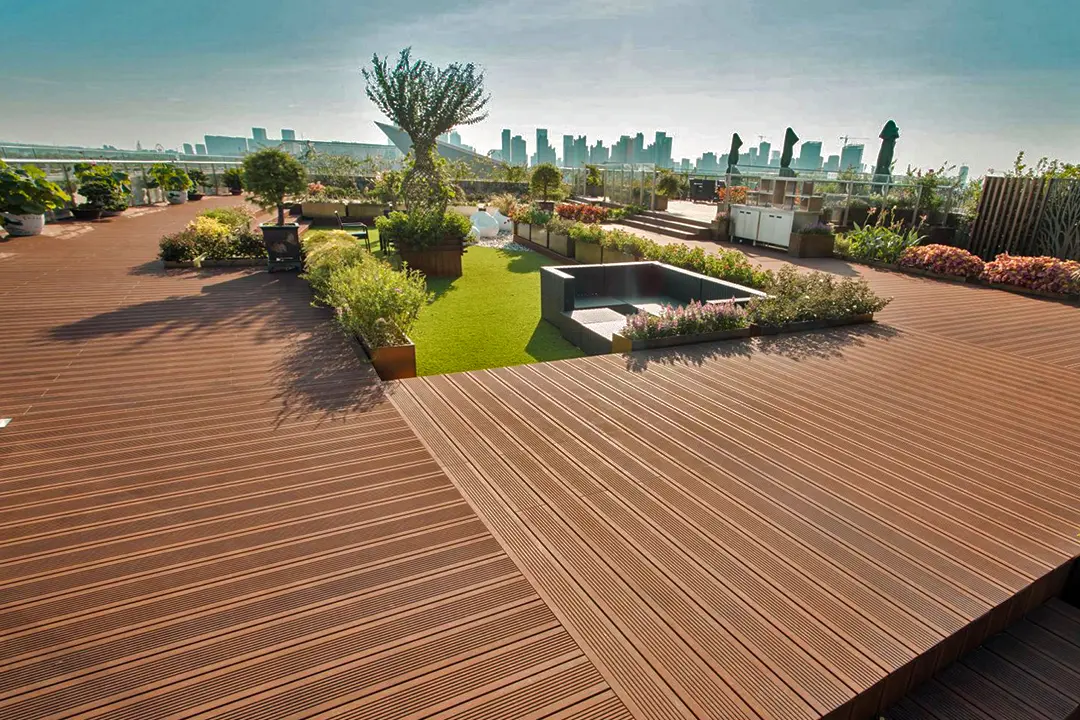
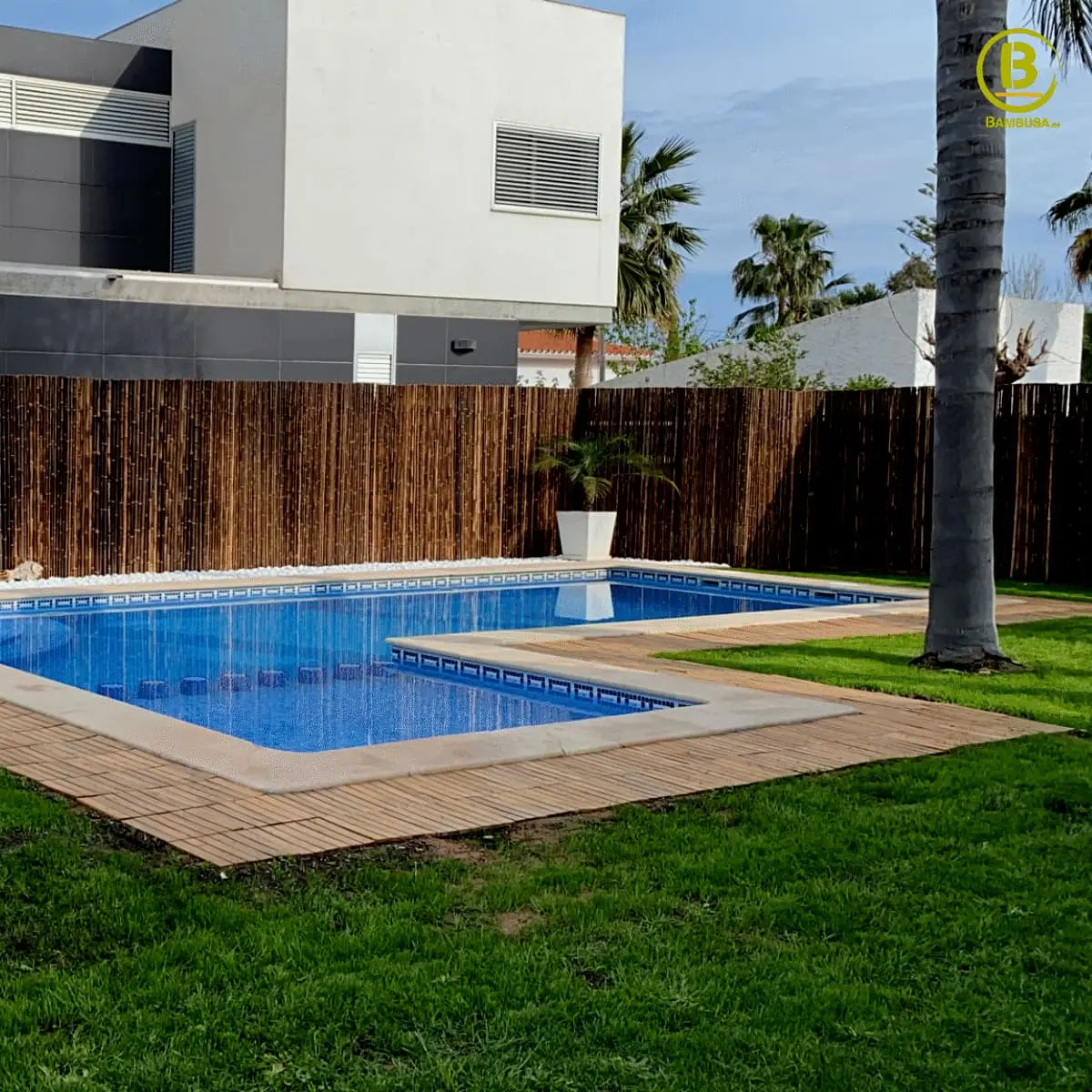
Your terrace, with bamboo
Outdoor bamboo decking: non-slip, weather-resistant and insect-resistant: maximum durability, minimum maintenance.
Tips for installing a bamboo floor
Before you start: preparing the subfloor (all three types)
1. Levelling. The subfloor must be flat. You can correct any unevenness with self-levelling mortar indoors, or with adjustable supports outdoors.
2. Clean. Remove dust, building debris, grease and any uneven surfaces. Vacuum just before installation.
3. Acclimatise. Leave the boxes in the room for at least 48 hours before installation. The recommended conditions are a temperature of 15 to 25 °C and a relative humidity of 40 to 65 per cent.
4. Perimeter gap. Bamboo, like timber, expands and contracts. Leave a gap of 10–15 mm between the flooring and walls, pillars and door frames. This gap will be covered by the skirting board.
Solid strip parquet, tongue-and-groove on all 4 sides.
- On a level and dry subfloor, apply a primer if the adhesive requires it.
- Glue the parquet to the subfloor using a parquet-specific adhesive, spread with a notched trowel. Alternatively, you can nail or screw it onto battens.
- Lay the first row with the tongue facing the wall, ensuring the perimeter joint is left open.
- Fit the tongue into the groove by tapping with a wooden block – never tap directly on the plank – and alternate the joints between rows.
- Allow the adhesive to cure before walking on the floor as normal.
Strand-woven flooring with a click system (interior)
- Lay a vapour barrier (polyethylene sheeting) over the concrete subfloor, overlapping the strips by about 20 cm.
- Place an insulating underlay on top: this improves comfort, reduces footfall noise and absorbs minor unevenness.
- Install the floating flooring: fit each plank at an angle and press it down until it ‘clicks’ into place. No adhesive is used, nor is it fixed to the floor.
- Alternate the joints between rows and ensure the perimeter joint is correct.
- On large surfaces, or when moving from one room to another, leave intermediate expansion joints using transition profiles.
Strandwoven decking, with concealed staples (outdoor use)
- The subfloor must be firm and well-drained.
- Ideally, use a concrete screed with a slight slope (1–2 per cent) to allow water to drain away.
- On natural ground, compact the soil, lay a weed barrier and use adjustable supports.
- Install the bamboo, aluminium or composite battens, ensuring they are level and spaced approximately 30–40 cm apart. The battens must never come into direct contact with standing water.
- Allow for ventilation beneath the decking. Air must circulate underneath so that the boards can dry out.
- Secure the boards with concealed clips:
- The clip fits into the side groove of the board and is screwed to the batten using stainless steel screws.
- Start with the starter clip and work your way along plank by plank.
- The clip itself marks the joint between the planks, allowing for drainage and expansion. Leave a wider gap around the perimeter than in the centre.
Do you have a flooring installation project?
We can help you calculate the area, choose the format and plan the installation, whether for residential properties or projects in the hospitality, retail or architectural sectors.