Discover everything (...or nearly everything...) about bamboo











Bamboo - environmental characteristics
Bamboo is a plant belonging to the grass family, known for its rapid growth and extraordinary resistance. There are more than 1,500 species worldwide, each with unique characteristics that make them ideal for different applications, from construction to decoration.
Some of the most notable varieties include Moso bamboo (widely used in flooring and boards), Guadua Angustifolia (famous for its use in architectural structures), and black bamboo (prized in interior design for its natural dark tone).
In addition to its high strength (comparable to hardwoods such as oak), bamboo is an environmentally friendly and renewable material, as it reaches maturity in just 5-7 years and absorbs more CO₂ than many trees. Its flexibility, lightness and durability make it a sustainable choice for construction projects, furniture and cladding.
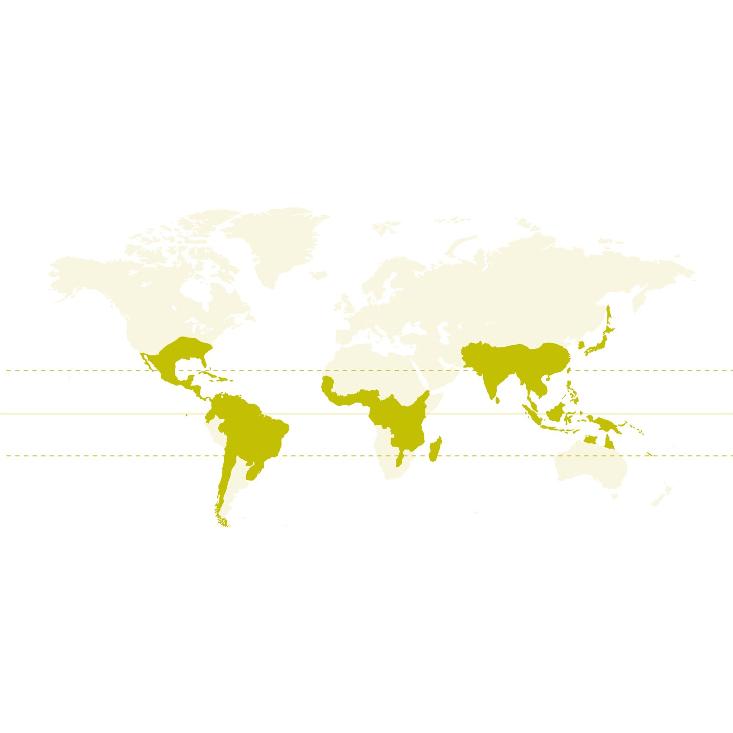
Geographical distribution
Bamboo, in all its varieties, is one of the most extensive and important botanical families for humans, with thousands of uses and applications described in different cultures. They are the only group of grasses adapted to creating forests and demonstrate enormous adaptability to different soils and environments. They occur naturally across a wide geographical distribution covering mainly three large regions: much of America, sub-Saharan Africa and a large area of Asia.
Fossils of bamboo leaves and pollen can be found in Europe, but there are currently no endemic species on this continent.
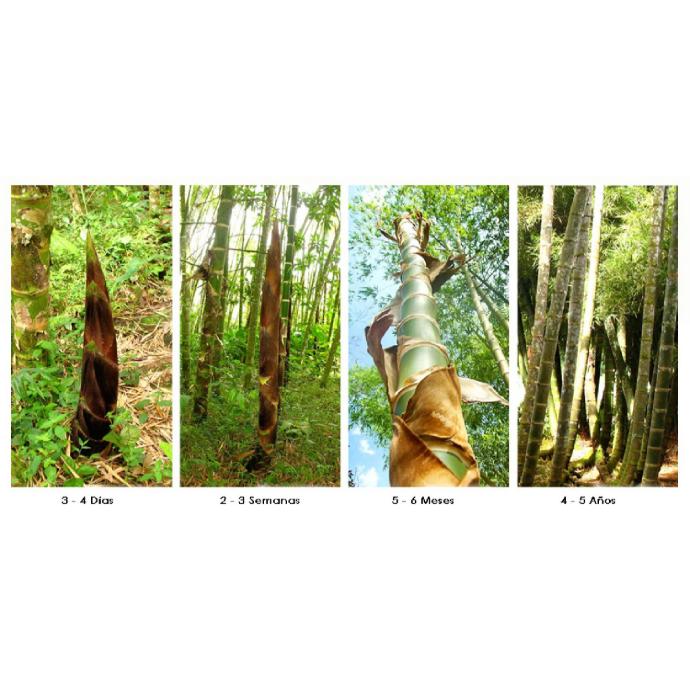
Growth and cutting
Some species of bamboo are the fastest growing plants on the planet. Varieties such as Guadua and Moso can grow up to 25 cm per day during the growth stage, but there are records of other species growing more than 1 m per day..
In just six months, the plant reaches its final height of 18 to 30 metres, and in the following years, the woody structure of the canes develops and they finish maturing.
This is one of the great advantages of using some varieties of this giant grass over the intensive use of trees, as in just four years it will be ready for cutting and use as structural material.

Ecological footprint
Among the many environmental advantages of using bamboo is the fact that its forests are one of the largest captors of environmental CO2 on the planet. Species such as Guadua can fix more than 100 tonnes per hectare in each life cycle.
Bamboo reaches structural maturity in 3–5 years (depending on the species), reaching its maximum strength at 4–6 years (completely lignified fibre).
Commonly used conifers (pine, fir, cedar, etc.) reach structural maturity in 20–50 years (depending on species and climate).
Comparison of environmental characteristics
CO2 fixation
Bamboo: 9 tonnes/hectare/year
Conifers: 3.5 tonnes/ha/year
Age for structural use
Bamboo: 4–6 years
Conifers: 15–25 years
Biomass production
Bamboo: 90 tonnes/ha/year
Conifers: 11 tonnes/ha/year
Bamboo - Species

Structural bamboo species used worldwide
Scientific name (local)
Guadua angustifolia Kunth
Dendrocalamus strictus (Calcutta)
Bambusa Vulgaris
Phyllostachys edulis (Moso)
Dendrocalamus asper (Petung)
Bambusa blumeana (Spiny/Thorny)
Gigantochloa apus
Growth zone
America
Asia
Africa, Asia, America
Asia
Asia, America
Asia, Asia Pacific
Asia
Max. diameter
120-160 mm
25-80 mm
80-150 mm
120-180 mm
80-200 mm
60-150 mm
40-100 mm
Among the wide variety of bamboos that exist, we carefully select the botanical varieties that stand out for their technical and sustainable properties:
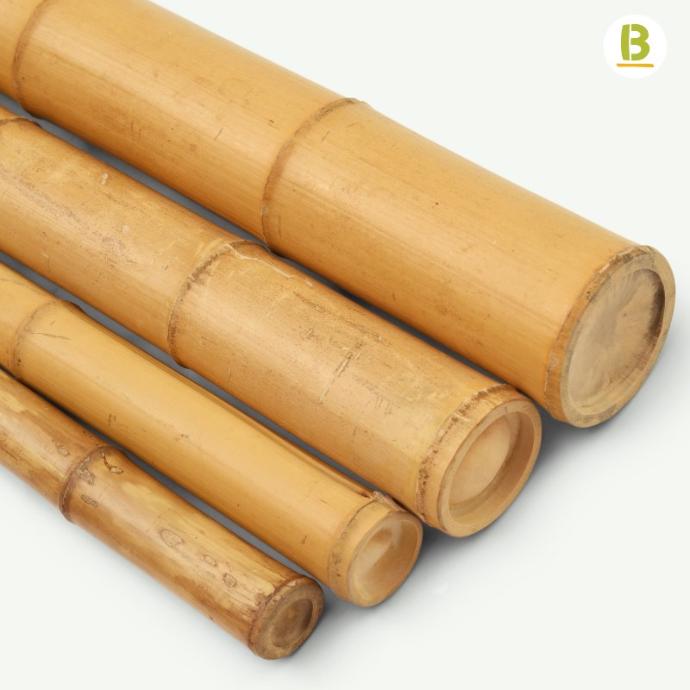
Moso Bamboo (Phyllostachys edulis)
- Diameter: 5-12 cm
- Height: 15-20 m
- Uses: Decoration, flooring, laminated boards (most commonly used in flooring)
This is one of the most widespread families of bamboo in the world, partly due to its great ability to adapt to life in different environments, but above all because of its wonderful characteristics and uses. It is native to central China, where it has been an essential material in everyday life for thousands of years, and today it still grows in large virgin forests in the inland mountains. In spring, when new stems of a beautiful blue-green colour emerge from the rhizome, one can appreciate the impressive speed at which this bamboo grows, easily exceeding 30 cm per day.
Growth and Cutting
The canes reach between 18 and 25 metres in height in just a few months and spend the following years developing their woody structure, while new stems continue to sprout annually from the mother plant. In this way, although the canes are cut at around 5 years of age, the population remains constant and healthy at all times, as removing the mature stems leaves more energy resources such as light, water and nutrients for the new culms.
Drying and Transport
Once cut, the canes are taken to nearby plants for selection and drying for at least 3 months until they are ready for shipment. From an environmental point of view, bamboo is considered a perfect substitute for traditional timber, as factors such as long sea transport to Europe are not as influential in calculating the ecological footprint as the enormous amount of CO2 fixed by this plant in its short life cycle. It also acts as a water regulator, creates a large amount of biomass, and its harvesting and use helps to preserve threatened and delicate tree forests.
The Phyllostachys family includes varieties of very different colours, among which are Phyllostachys Nigra (Black) y Phyllostachys Boryana (Leopard)
Other species highly valued for their characteristics and versatility in the construction of structures and furniture are Dendrocalamus Asper y Bambusa vulgaris.
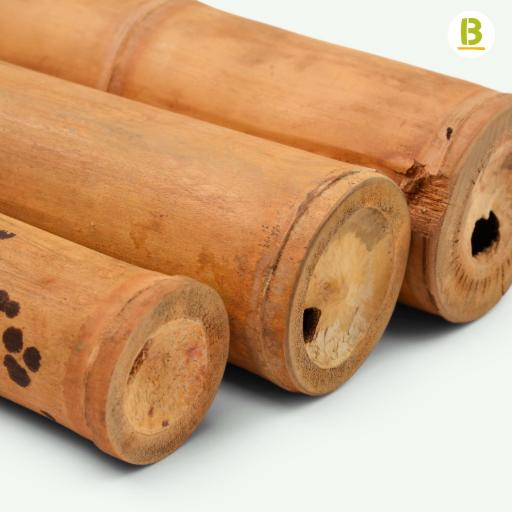
Guadua Bamboo (Guadua angustifolia Kunth)
- Diameter: 5-12 cm
- Height: 20-25 m
- UsesUses: onstruction (renowned for its flexibility and seismic resistance)
This variety was initially identified as belonging to the Bambusa genus until 1822, when German botanist Karl S. Kunth determined that it constituted a genus in itself and identified it as Guadua, thus maintaining the term used by indigenous communities. Guadua is the most important genus of bamboo in America, endemic to this continent and comprising some 30 species. Guadua angustifolia, native to Colombia, is the most important of these thanks to its extraordinary physical and mechanical properties and the advances in silvicultural and structural studies that have been carried out in the country in recent years. Although it is found in its natural state from Ecuador to Venezuela and between 0 and 2,000 metres above sea level, the plants develop best between 500 and 1,500 metres, with temperatures of 17º to 26º, rainfall of 1,200 to 2,500 mm/year, relative humidity of 80-90% and moderately fertile, well-drained soils, characteristics of the central region of the Andes, known as the Coffee Region of Colombia.
Guadua Bamboo forests
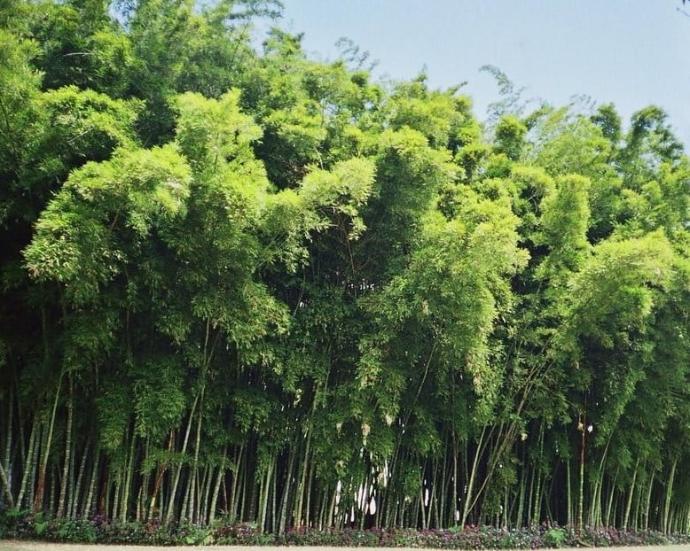
These bamboo clusters form what are known as bamboo groves, spectacular forests that are generally accessible as they are not particularly dense and give rise to highly dynamic and specialised ecosystems. They are home to a wealth of life, with a multitude of plants, mammals, birds and reptiles associated with them.
These groves are very important even in remote areas, as their main functions include regulating water flow, absorbing excess water and releasing it gradually to limit possible flooding, They prevent soil erosion and deforestation thanks to their underground branches, contribute a large amount of biomass to the soil and are one of the largest fixers of environmental CO2 on the planet, with records of between 100 and 150 tonnes per hectare in each life cycle, lasting 4 to 5 years.
Growth and cutting
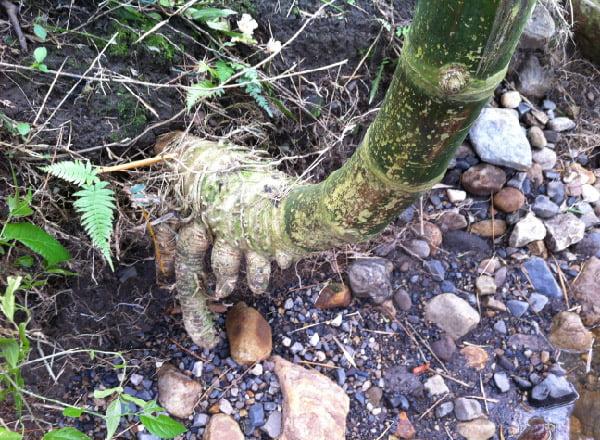
Guadua does not increase in diameter over time, but emerges from the ground with its diameter already determined. Being a monocotyledon, it lacks cambium tissue and therefore does not grow thicker like trees... Depending on the type of soil and climatic conditions, these diameters can be up to 22-25 cm, although they are usually between 8 and 13 cm.
During the first 6 months, they grow protected by cauline leaves at a very high rate of up to 15 cm per day until they reach their final height of 20 to 30 m, with an intense green colour on the stem. Then the development of the lateral branches and foliage begins... over the following years, the plant will fix a large amount of environmental CO2, contributing biomass to the soil and developing its woody structure.
After about four years, the culm has a light opaque green colour, with evident presence of lichens on its outer bark. The stem is considered to be at the ideal maturity for use as structural material and is then cut. If this is done correctly (above the first node and without breaking it), a rhizomatic energy transfer mechanism begins in the plant and a new culm/rhizome begins to form, thus guaranteeing new production. Regular and controlled exploitation favours the development of the bamboo forest as a whole and stimulates its natural regeneration. It is estimated that the ideal composition of canes in a guadual is 10% shoots, 30% young stems, and 60% mature canes, with a density of 4,000 to 8,000 stems per hectare. The estimated productivity for a Guadua forest is between 1,200 and 1,400 stems per hectare/year, making it a totally effective alternative to wood for the production of structural laminates, boards, flooring, etc.
Guadua canes
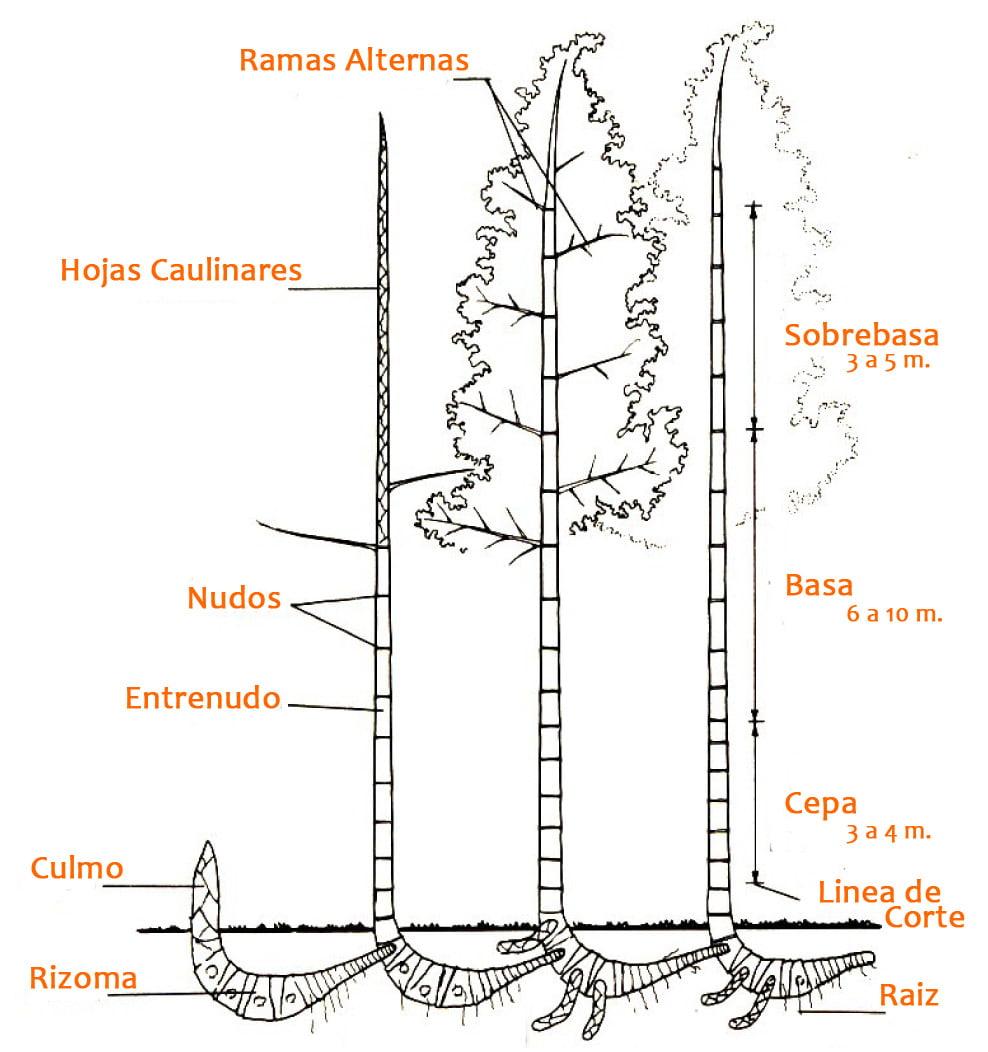
Guadua stems, which grow to a height of over 20 metres, are cut into standard 6-metre-long canes, and depending on their original position on the plant, three different sections are established.
The canes obtained from the highest section, called Sobrebasa, have thin walls but maintain a high fibre content. They are used for auxiliary furniture, joists and battens.
The intermediate sections, or Basas, are slender and very light in relation to their enormous strength. They maintain their outer diameter very well and are very fibrous, making them the most commonly used pieces in construction, especially in the manufacture of beams and composite trusses.
The pieces at the bottom are called Cepas. They have thick walls, short internodes and, due to their high compressive strength, are perfect for building columns.
Specialised treatments

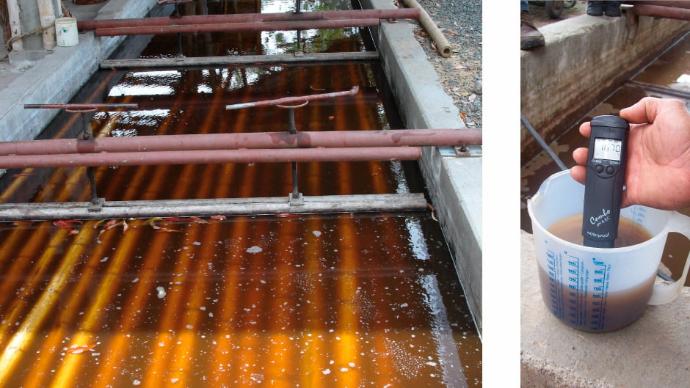
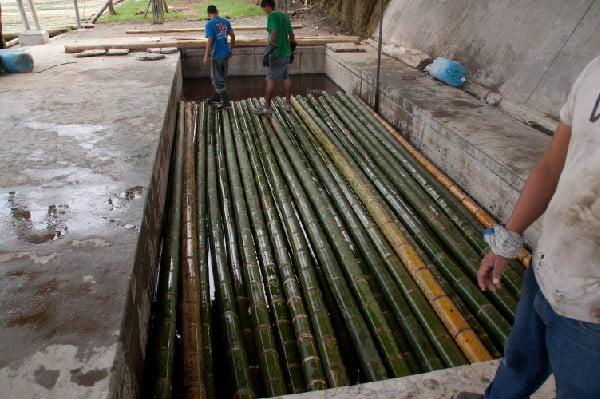
Immunisation treatment at source Guadua bamboo:
immersion in borax salts
o prevent the bamboo from being attacked by xylophagous insects and to prevent the appearance of fungi, the Guadua canes are immersed for 4-6 days in a solution of borax and boric acid in a 1:1 ratio and with a concentration of between 4 and 6%.
Before placing the canes in the solution, all the internodes of the canes are perforated. On the one hand, this greatly facilitates immersion as it allows the air to escape from inside the canes and the cane ceases to act as a float. On the other hand, it allows the mixture to enter the different sections of the cane, thus ensuring proper preservation as bamboo is much more permeable from the inside.
When perforating the diaphragms, one might think that we are reducing the load-bearing capacity of the cane. To determine this possible flaw, various studies have been carried out at the Technological University of Pereira in traction tests with perforated and unperforated stems, and the tests only show a decrease in resistance of around 2%, which is very insignificant compared to the great benefits provided by this preservation technique.
Preservation by immersion in pentaborate is considered environmentally friendly because, in addition to the fact that the pools are watertight and the solution is never released into the environment, its functionality does not depend on a toxic substance but on the morphology of the crystals that make up these salts. It is extremely common in detergents, fabric softeners and disinfectants as it is a natural product and harmless at these concentrations.
The mixture prevents the proliferation of insects without using poison thanks to the intrinsic structure of these boron salts (hard and angular), so that if a xylophagous insect attacks the cane, these small sharp stones pierce its stomach, preventing the insect from continuing its life cycle. As an added advantage, all materials treated in this way have fire-retardant or fire-resistant properties thanks to the borax solution.
The preservation process of our Guadua poles is regulated by Colombian standard NTC-5301
Cleaning
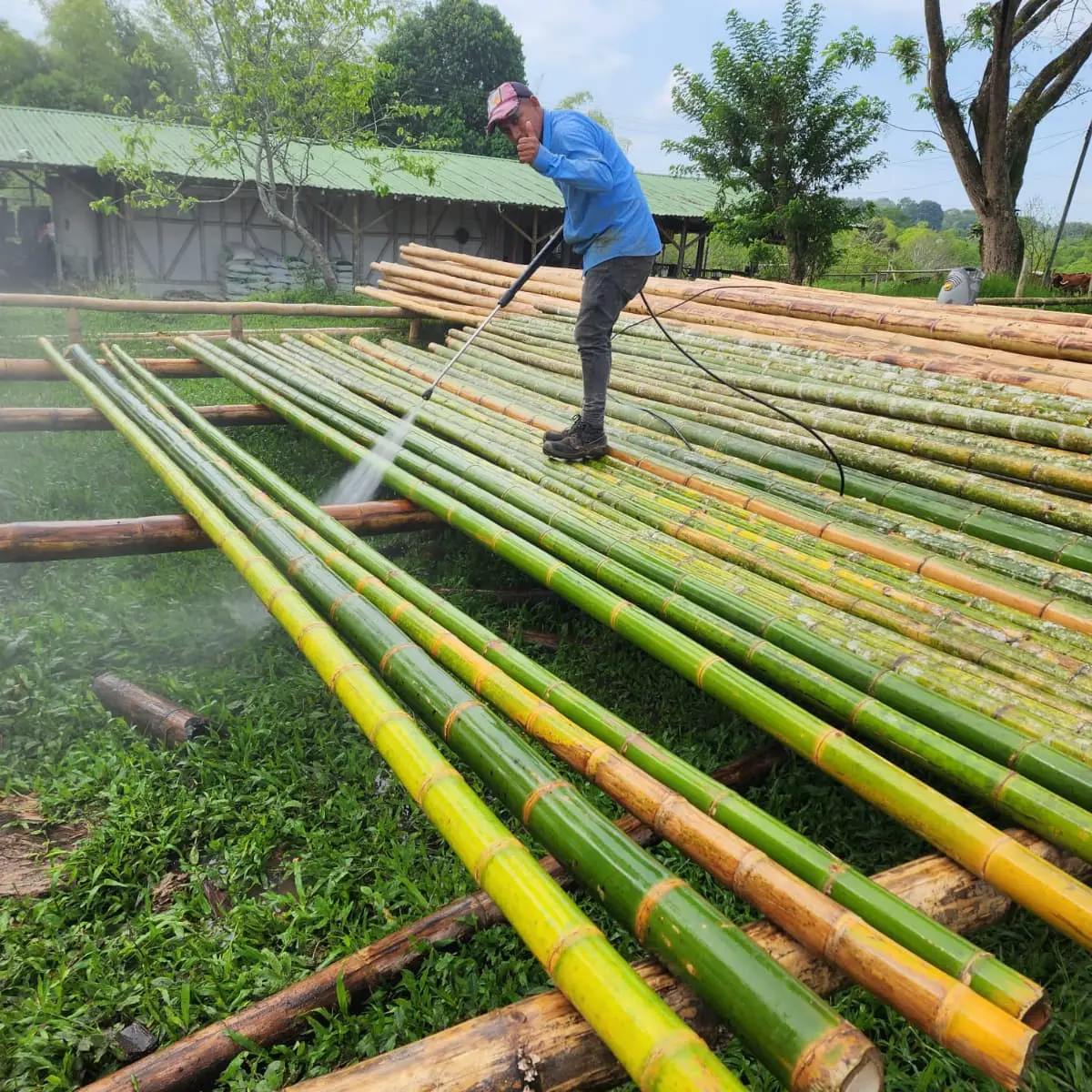
The canes are washed with pressure water to remove soil, surface resin and organic debris.
Drying
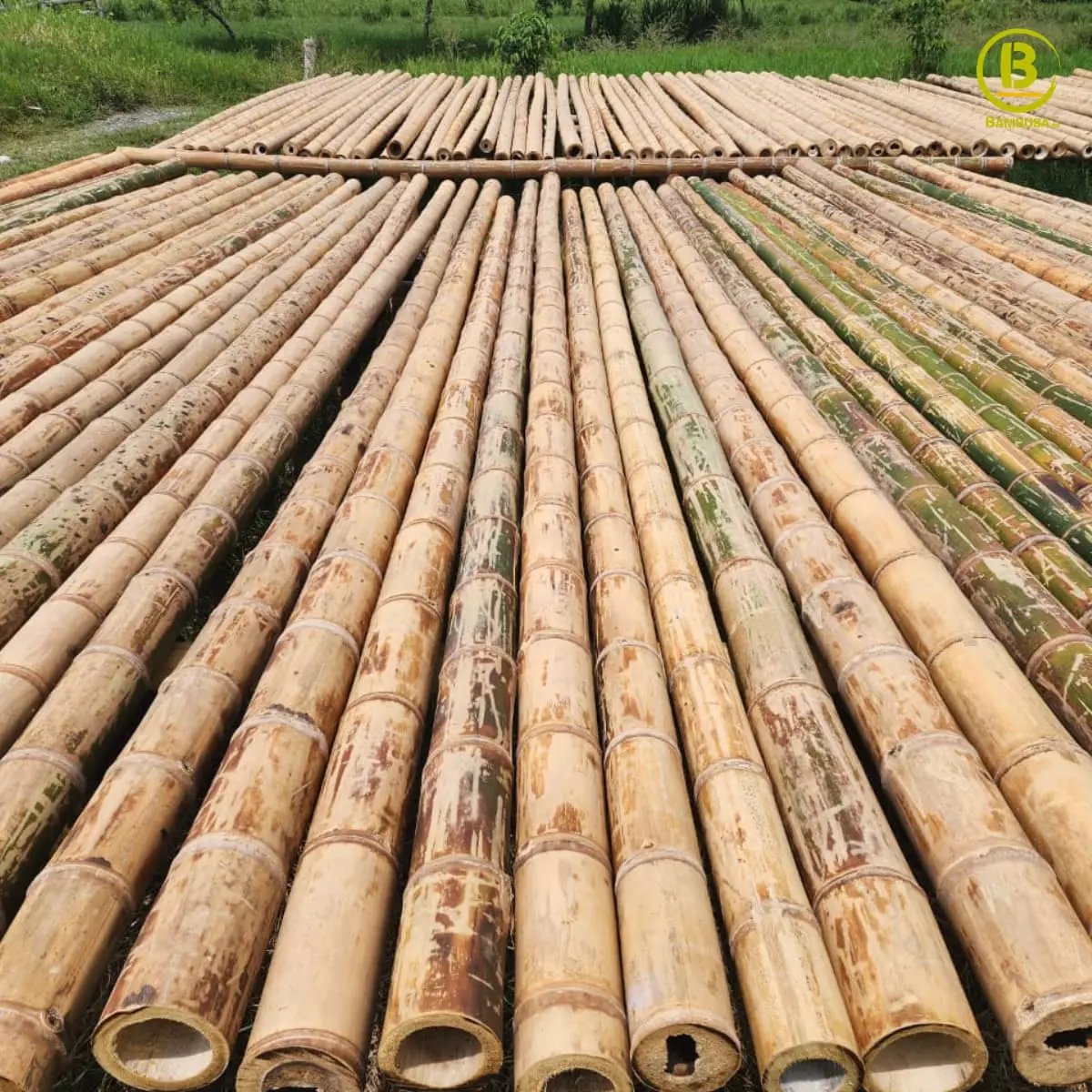
They are laid out in layers in the open air. Exposure to sunlight gradually reduces the internal moisture content until optimal levels are reached.
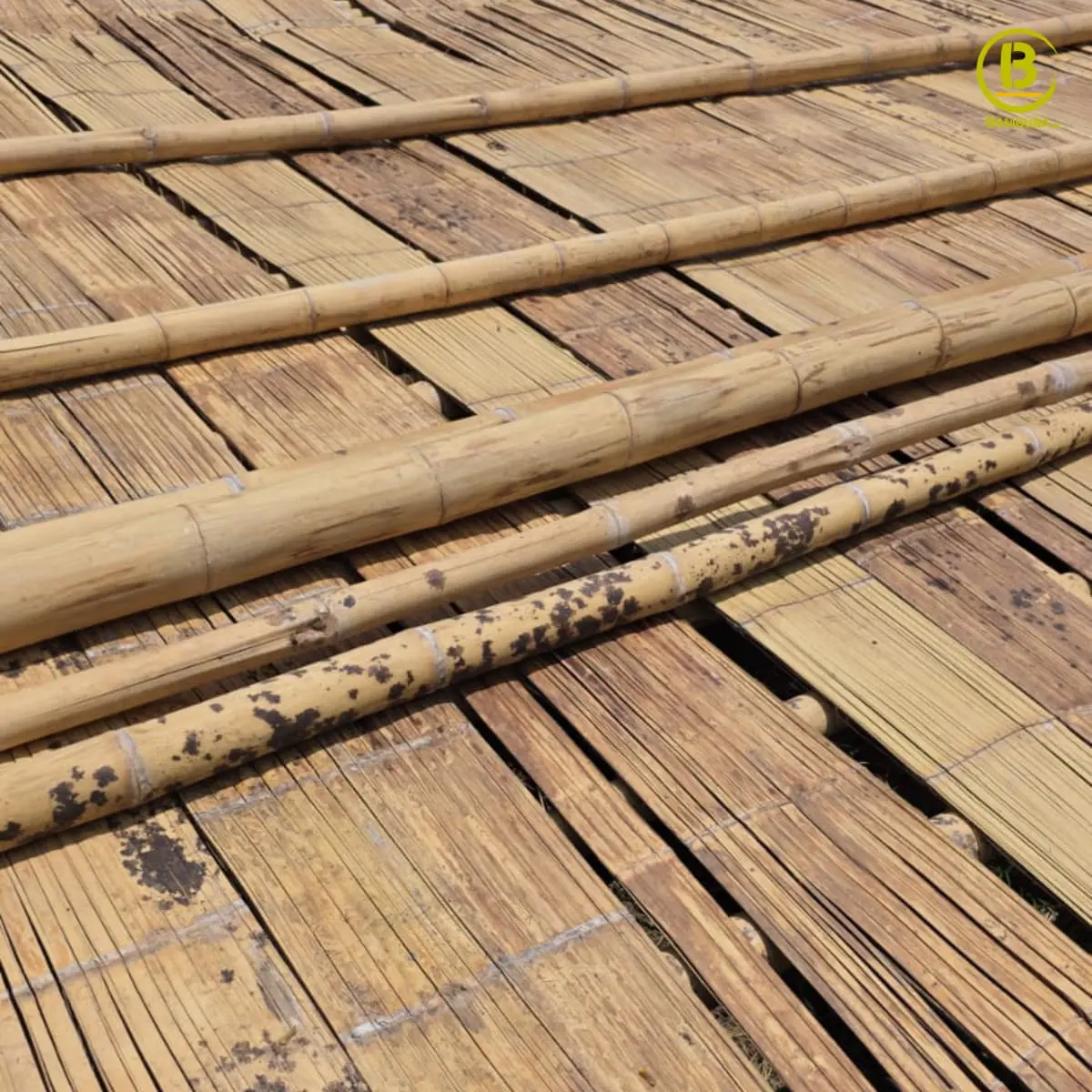
Lichen spots: a sign of maturity
The characteristic dark spots on the bark are colonies of lichen. Their presence indicates that the guadua has reached structural maturity and is suitable for construction use.
Protection through Design and Maintenance
When building with bamboo outdoors (as with any wood), it is necessary to take into account the effect of the sun on the surface of the canes. Ultraviolet rays are highly damaging as they dry out and damage the surface, and can even cause it to ‘flake’.
For structural bamboo applications, whenever possible, it is preferable to prevent direct sunlight from hitting the canes by protecting the structure by design, including eaves in the project and not leaving the tips exposed.
Another important protection to consider is to avoid direct contact with sources of moisture because, although Guadua includes a complete anti-fungal and xylophagous treatment, large variations in humidity inside can end up causing cracks. This is avoided in structures by adding footings or some element that raises the piece and allows rainwater to drain away.
In Colombia, it is said that Guadua houses must include ‘a big hat and good boots’.
Regardless of this protection, to keep the guadua nourished, in good condition and looking healthy, we use oils such as those used for outdoor furniture. Today, there are many products on the market that perform this function well. The most important thing to keep in mind is that the oil should allow the cane to breathe by keeping the pores open (unlike varnishes or synthetic paints), offer high protection against UV rays while being water-repellent, and maintain a certain elasticity to prevent cracking due to possible variations in the shape of the cane. Using this type of oil makes maintenance very simple (new applications every year or two, without the need to remove the old material).
It is common for bamboo to develop cracks, always longitudinal, which do not pose any structural problems as the properties of the bamboo remain virtually unchanged. If it is necessary to hide these cracks, either for aesthetic reasons or to facilitate cleaning of the structure itself, the ideal solution is to cover them with the same flexible fillers used on wood, as it is common for the openings to close again with an increase in humidity.
Mechanical properties

Among the characteristics of Guadua, its extraordinary compressive strength and good parallel shear resistance stand out. This, combined with its great flexibility, makes Guadua cane a particularly interesting tool for green building, where it is classified as a seismic-resistant structural material.
The high percentage of fibre present in its structure and the high silica content on its outer surface give this species its remarkable characteristics of strength and flexibility.
Thanks to the morphology of Guadua, the diameter of the canes of this variety is very consistent, with a maximum reduction or taper of about 5 mm/m.
The wall thickness is generally quite thick, although it can vary between the different sections chosen. In the strains, it can reach more than 3 cm (used in pillars or where there is a lot of compression work), while in the bases it can be between 0.8 and 2 cm. As the internal number of fibres is the same, these pieces are perfect for working on beams and purlins..
The straightness, or minimum curvature, is fully guaranteed because, although some curved pieces may always appear in the plantation, our canes are perfectly straight thanks to careful selection at source (pieces of this variety are not straightened with heat as is done in China).
Comparison of characteristic design strengths of dry bamboo* free from visual imperfections (cracks, etc.)
10-minute load test (kg/cm²)
*Moisture content 12% / “Mature” culms (3–5 years old)

Flexure
Guadua bamboo: 365/509 kg/cm²
Conifers: 240 kg/cm²
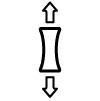
Tensile strength
Guadua bamboo: 407 kg/cm²
Conifers: 142 kg/cm²
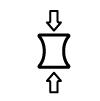
Compression
Guadua bamboo: 560 kg/cm2
Conifers: 240 kg/cm2
Elastic modulus of bamboo with 12% and 19% moisture content
Moisture content
12%
19%
Average elastic modulus (N/mm2)
10.000/17.000 N/mm2
8.500/15.000 N/mm2
Reduced modulus E0.05 (N/mm²)
6.700/8.000 N/mm2
Uses and applications

Raw bamboo can have different uses in construction:
- It can be used in the construction of temporary structures, pavilions, auxiliary structures (porches, pergolas, garages).
- It can be used as foundation reinforcement submerged in concrete (with cement or lime) as an alternative to steel.
- It can be used to construct the entire load-bearing structure, from pillars to beams/trusses, as well as roof battens.
- It can be combined with any type of wall and insulation: straw, straw/mud, plant fibres, mineral wool.
- It can be built on any load-bearing wall (brick, thermo-clay, etc.).
Reference standards

Although round bamboo is not included in the Eurocodes, its structural use is facilitated by the existence of international standards (ISO) and national guidelines in several European countries.
The international standards for structural design with bamboo are ISO 22156 (structural design) and ISO 22157 (determination of physical and mechanical properties). These standards, which are also available in Spanish versions such as UNE-ISO 22156 y UNE-ISO 22157, provide the criteria and test methods necessary to ensure the safety and durability of bamboo constructions. Key standards:
- ISO 22156 (Bamboo — Structural design): This standard establishes the principles and procedures for the design of bamboo structures, including how to calculate and dimension elements to safely support loads. .
- ISO 22157 (Bamboo — Determination of physical and mechanical properties of bamboo stems): This standard details the test methods for determining the strength properties of bamboo, which is essential for accurate and reliable structural design.
La The Colombian Standard for Earthquake-Resistant Construction in Guadua NSR-10, title G12 stands as the main international regulatory reference for the design and calculation of bamboo structures, offering a solid basis for calculation that can serve as a comparable reference in Europe.
Fire resistance
amboo is classified as suitable for construction according to German standard DIN4102 with class B2 (low flammability). The high concentration of silica on the outside slows down the spread of flames, meaning it can be treated in the same way as wood when calculating fire resistance. Its reaction to fire rating is very similar to that of wood and is set at 0.6 mm/min.
The preservation treatment by immersion in borax salts and boric acid that our Guadua bamboo, canes undergo adds extra fire resistance, as this mixture acts as a combustion retardant.
For exposed bamboo structures, a fire-retardant coating similar to those applied to wooden structures will be applied to increase their resistance to combustion without the need to thicken their section.
Life Cycle Assessment (LCA)

Is bamboo really environmentally friendly?
This is one of the most frequently asked questions when comparing it to other materials.
In order to provide a well-founded answer to this question, we commissioned an independent study to establish the ecological footprint of our Colombian Guadua bamboo. We now have data that helps us determine whether Guadua can be considered a sustainable product for construction, despite not being native to the region.
Life Cycle Assessment of the production and commercialisation of bamboo canes (Guadua Angustifolia Kunth) for structural use
The study was conducted by the Energy Biomass and Environmental Analysis Unit at the Madrid School of Industrial Engineering. The aim is to quantify the environmental cost, considering the impact category of climate change and the use of primary energy in our Guadua bamboo canes, taking into account all factors and phases, from the birth of the culm, its growth, extraction, treatment, transport and marketing.
The system studied includes the following modules and processes in accordance with standards UNE-EN 15804:2012 and UNE-EN 16485:2014.

Phase A1
Raw materials
Growth until cutting, cutting, curing, pruning.

Phase A2
Transport to plant
Transportation of raw and auxiliary materials from the place of supply to the factory.

Fase A3
Preservation/Import
Preservation and drying (cleaning, drilling, preservation, drying, cutting, loading).
Transport to Spain (sea + land transport). Storage and packaging (unloading, storage, packaging).
Carbon footprint by stage (kg CO2 eq)
Stems with diameters of Ø6, Ø8, Ø12 cm and length 6 metres / bulk density 340 kg/m³, moisture content 14%
Ø6 cm
Total Balance -12,75 kg CO2
Ø8 cm
Total Balance -17,97 kg CO2
Ø12 cm
Total Balance -21,88 kg CO2
The carbon footprint under the cradle-to-door scope is -12.75 kg CO2, -17.97 kg CO2 and -21.88 kg CO2 for 6 cm, 8 cm and 12 cm Guadua canes, respectively.
DEA – Cumulative energy demand by stage (MJ)
Stems with diameters of Ø6, Ø8, Ø12 cm and length 6 metres / bulk density 340 kg/m³, moisture content 14%
Ø6 cm
Total Balance -129,3 MJ
Ø8 cm
Total Balance -183,7 MJ
Ø12 cm
Total Balance -224,5 MJ
The DEA values are -129.3 MJ, -183.7 MJ and -224.5 MJ for the same canes.
The products analysed in this study have negative values for both CO₂ footprint and cumulative energy demand (CED) by stage.
CO2 and energy storage during the A1 stage of growth and harvesting more than compensates for the impacts of stages A2 and A3 (with positive values).
The results of the analysis demonstrate the sustainability of bamboo as a construction material in Europe: the high CO2 fixation values during the plant's lifetime and the low energy resources required for its handling and treatment compensate for and exceed the energy expenditure required for its transport.
**PLEASE NOTE: The data provided relates exclusively to bamboo canes supplied by our trusted supplier and delivered to our distribution warehouse.
The use and dissemination of this data must be expressly authorised by Bambusa Estudio.
Bamboo on the web - Bibliographical references

Bibliographical references:
– Gernot Minke, (2010), Manual de Construcción con Bambú
– Oscar Hidalgo López, (2003), Bamboo, the gift of Gods
– Oscar Hidalgo López, (1978), Nuevas técnicas de construcción con bambú .
– Arce, (1993) Fundamentals of the design of bamboo structures – Tesis doctoral Eindhoven University of technology
Bamboo on the web
– International Network of Bamboo and Rattan – www.inbar.int
– Bamboo Arts & Craft Network – www.bamboocraft.net
– European bamboo society – www.bamboo-society.org.uk
– American bamboo society –
www.americanbamboo.org